

Wasps In Your Garden? Why These Pests Are So Common In The South of France
Living in the south of France, you know how wasps and hornets can impact your summer. If you have a garden or even just a patio or balcony, it's only a matter of time before you'll find yourself looking for wasp removal Montpellier or how to find a wasp nest in Carcassonne, While wasps can be a major nuisance, they also play an important role in the ecological balance by acting as predators that eat other species, such as the caterpillar, to keep populations of plant-destroying bugs under control.
The Lifecycle and Habits of Wasps and Hornets
The lifecycle of these hymenoptera (a group of insects that includes wasps, bees, and ants) begins in the spring when a queen emerges from her winter dormancy. She will lay eggs in a small, paper-based nest, and once the first larva develops into an adult worker, the colony begins to grow rapidly. By the end of the season or early autumn, a mature nest can be home to thousands of individuals. While queens and males are produced late in the year to ensure the next generation, the original colony and its queen will eventually die off as winter approaches.
Wasps and hornets are often found looking for food near human dwellings. Because they are omnivorous, they are easily attracted to sugars, meats, and even rubbish in your home or garden. This often brings them just metres away from your table during a summer barbecue.

Common Species and the Invasive Asian Hornet
In the south of France, you may encounter several species, including the common social wasp and various types of hornet. A significant concern in recent years is the invasive Asian hornet. Sometimes called the Murder Hornet in the English-speaking press, these insects are highly aggressive toward honey bee hives. Dealing with an Asian hornet nest requires specialized intervention, as they can be quite dangerous due to the volume of venom they inject.
Wasp vs. Bee: Understanding the Difference
It is easy to confuse a wasp with a bee, as both have black and yellow stripes and can fly. However, their roles and behaviors differ significantly. Bees are primarily pollinator species with fuzzy bodies that feed on nectar. They are generally not aggressive unless their hive or colony is directly threatened.
Crucially, most honeybees die after a single sting, whereas a wasp or hornet can sting multiple times without being harmed. Because wasps are omnivorous and hunt other insects or scavenge for meat and sugar, they are much more likely to come into conflict with humans at a garden barbecue or party.
The Rogue's Gallery: Bees and Wasps in Occitanie
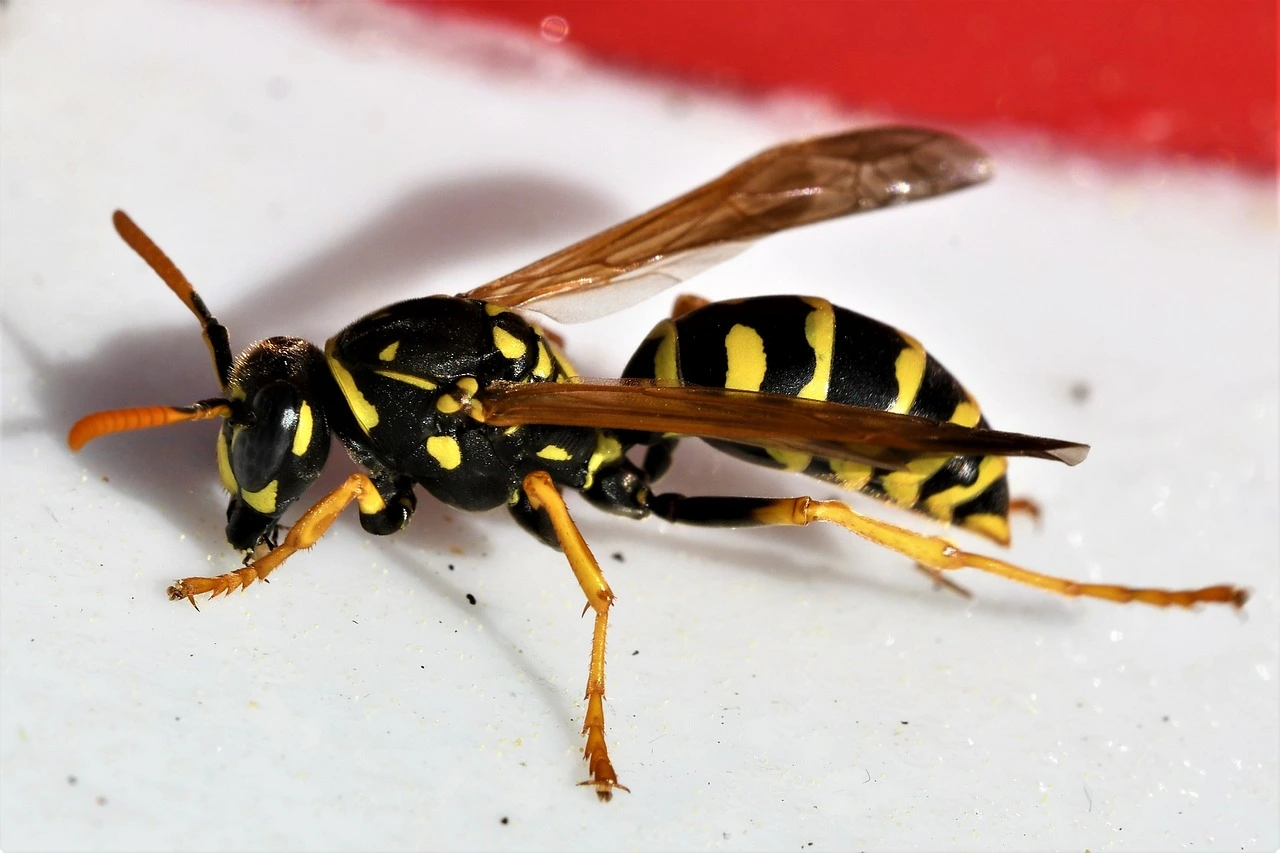
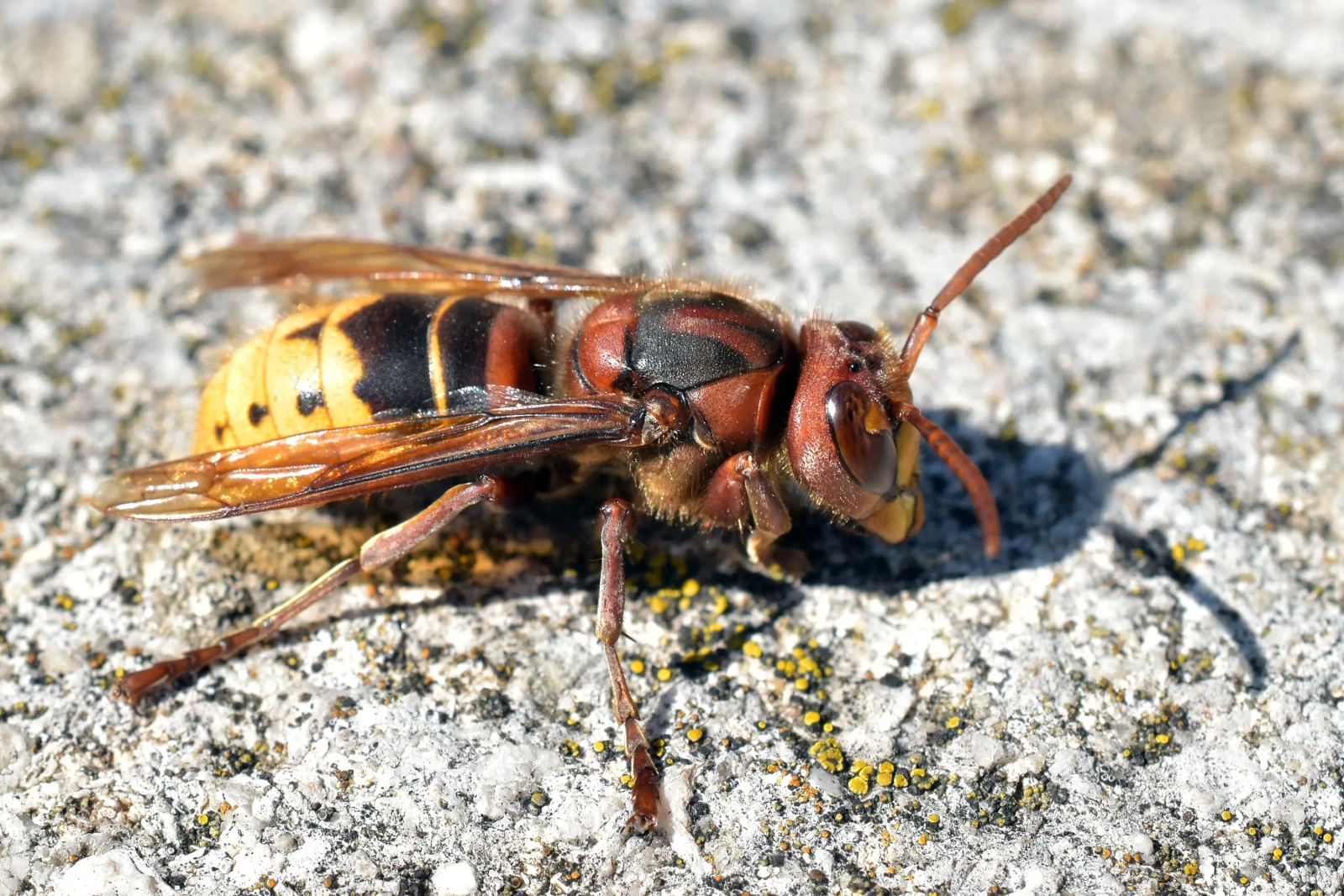
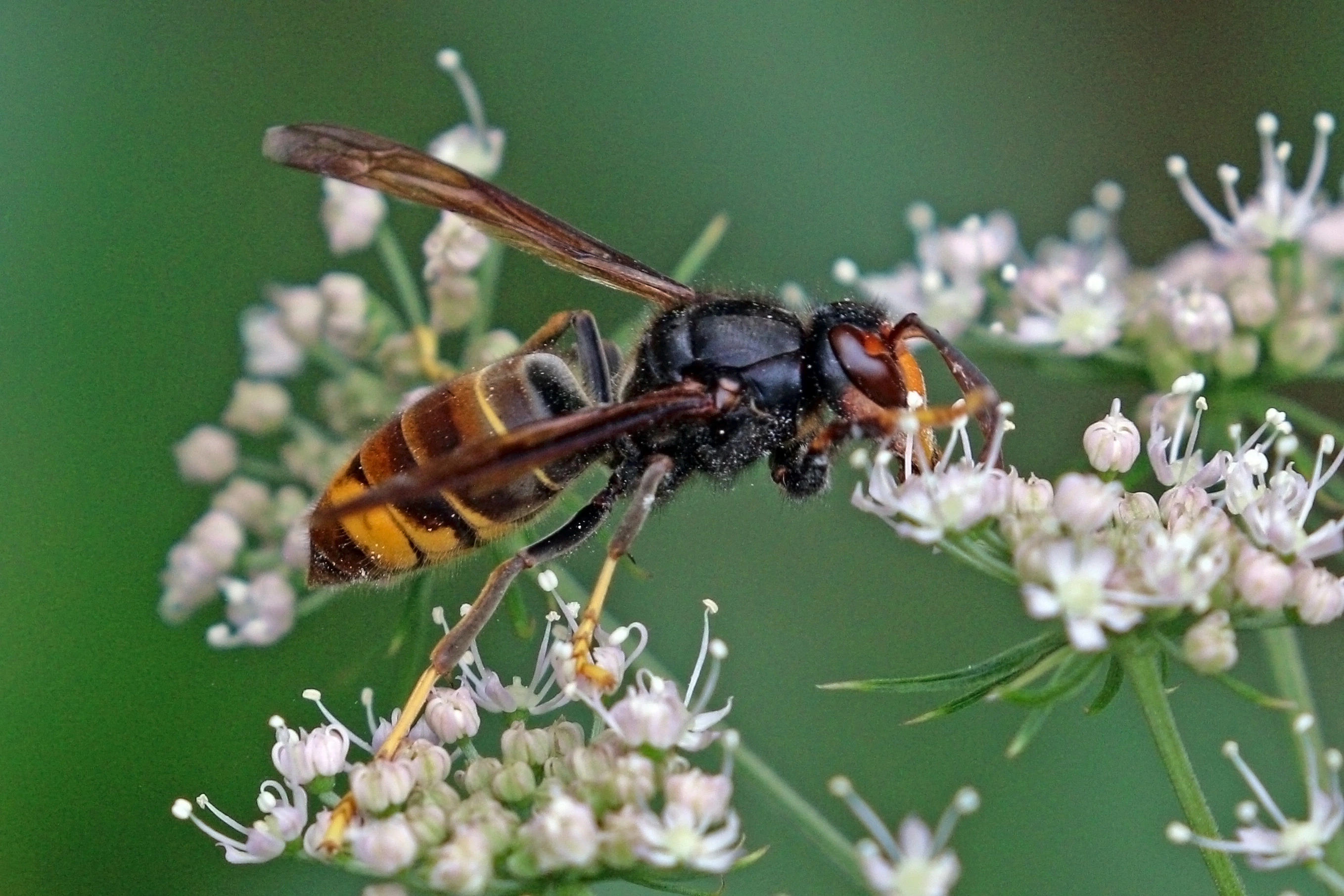
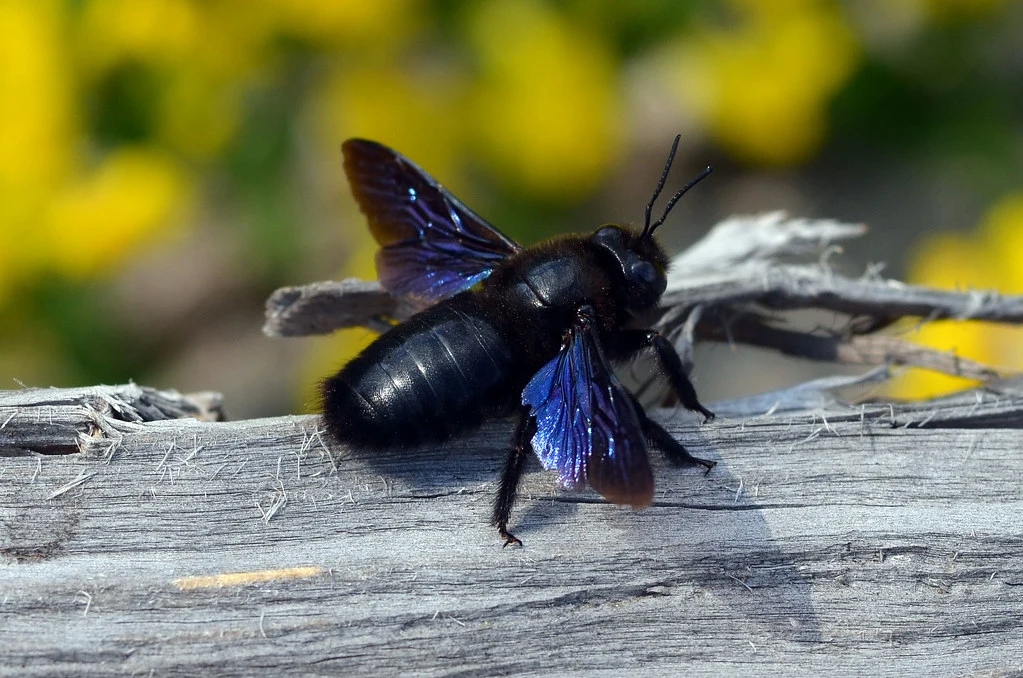
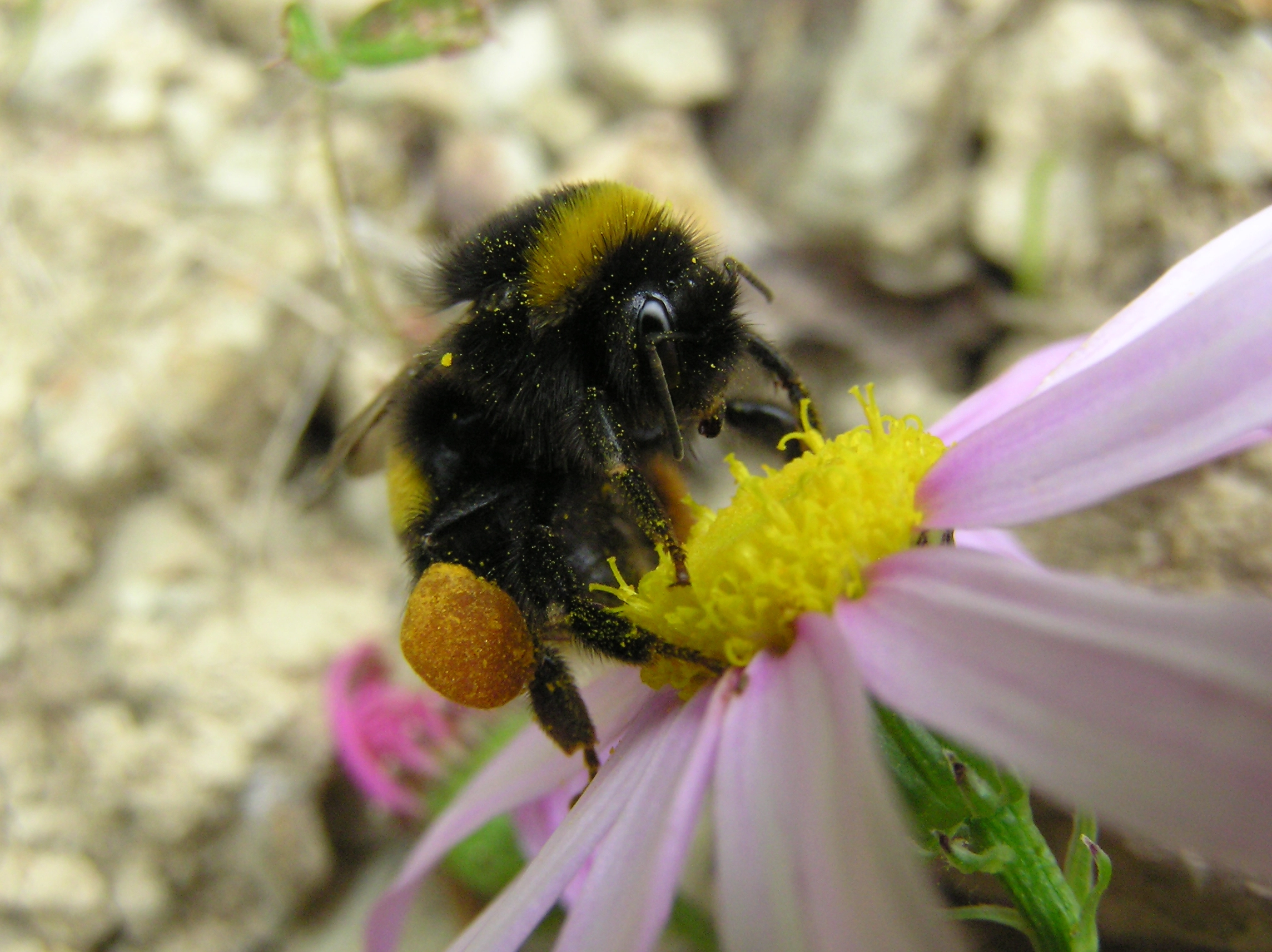
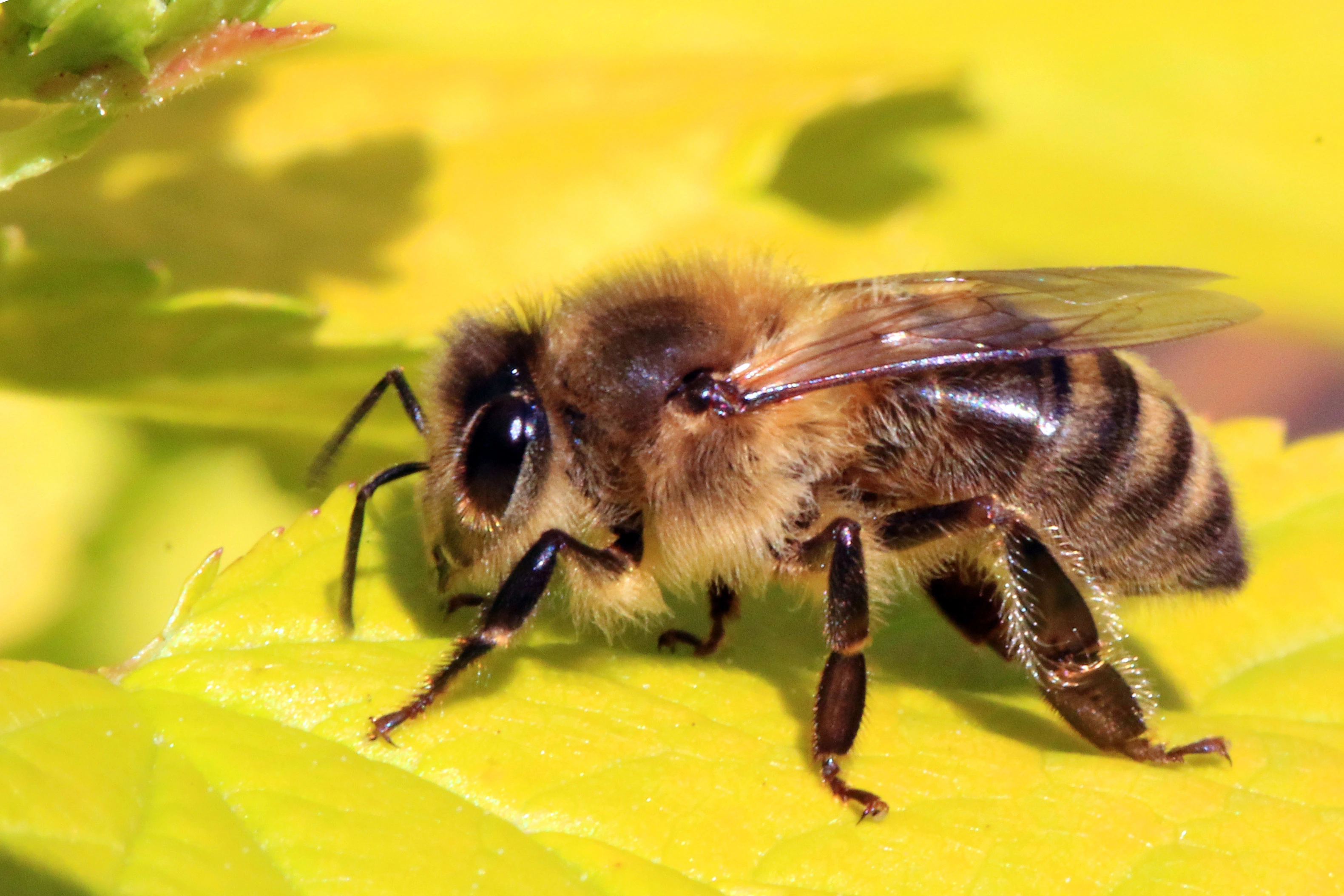
Clockwise from top left: Paper Wasp: common and aggressive. European Hornet: large and aggressive. Asian Hornet: large, aggressive, invasive species. Destroy on sight. Honey bee: not aggressive, and essential to food production. Do not kill! Bumblebee: not aggressive, and important pollinators. Carpenter Bee: does not sting humans, but can damage wood.
Conflict with Humans: Why They Sting
The primary conflict between humans and hornets and wasps is the sting. Unlike a bee, which usually dies after one sting, a wasp can sting multiple times. Wasp stings occur most often when the insects feel threatened or are defending their nests and swarms. For most, stings are very painful, but for those with a sensitivity, they can lead to anaphylactic shock, which is life-threatening.

How to Get Rid of Wasps and Prevent Infestations
If you have an infestation indoors, such as in an attic or wall cavity, you should call a professional rather than attempting DIY elimination. For outdoor spaces, you can treat a nest with an appropriately labelled pesticide, but make sure you wear protective clothing so you don't get stung.
To get rid of foraging wasps, you can:
Use a trap made from a plastic container filled with sugar water.
Apply a specialized insecticide or spray to small, visible wasp nests at night.
Ensure rubbish bins have tight-fitting lids to avoid attracting bugs looking for a meal.
Remove Fruit: Clear fallen fruit from the ground before it begins to rot and ferment.
Treat Wood: Wasps chew untreated wood for nest material; rubbing a wooden fence with bar soap can repel them.
When attempting the destruction of wasps yourself, always wear heavy gloves and protective layers to ensure you do not get stung.
Professional Wasp Exterminators in the South of France
If you are struggling with wasps in Narbonne or need to get rid of wasps in Perpignan, the destruction of a large colony is a job for experts. For safe and effective pest control, contact Gecko Pest, your English-speaking pest exterminator and experts in pests across the south of France. Whether it's a solitary insect issue or a massive hornet infestation, we have the professional products and equipment needed to destroy the threat and keep your garden safe.